
Summer heatwaves can be tough on your HVAC system. With rising temperatures, your air conditioning works overtime to keep your home comfortable, which can lead to increased energy consumption, higher bills, and even system strain or breakdowns if not properly maintained. Maximizing your HVAC system’s performance during these scorching days is essential for staying cool, saving energy, and ensuring the longevity of your equipment. Here are some helpful tips on how to get the best performance out of your HVAC system during summer heatwaves.
1. Schedule a Pre-Summer Tune-Up
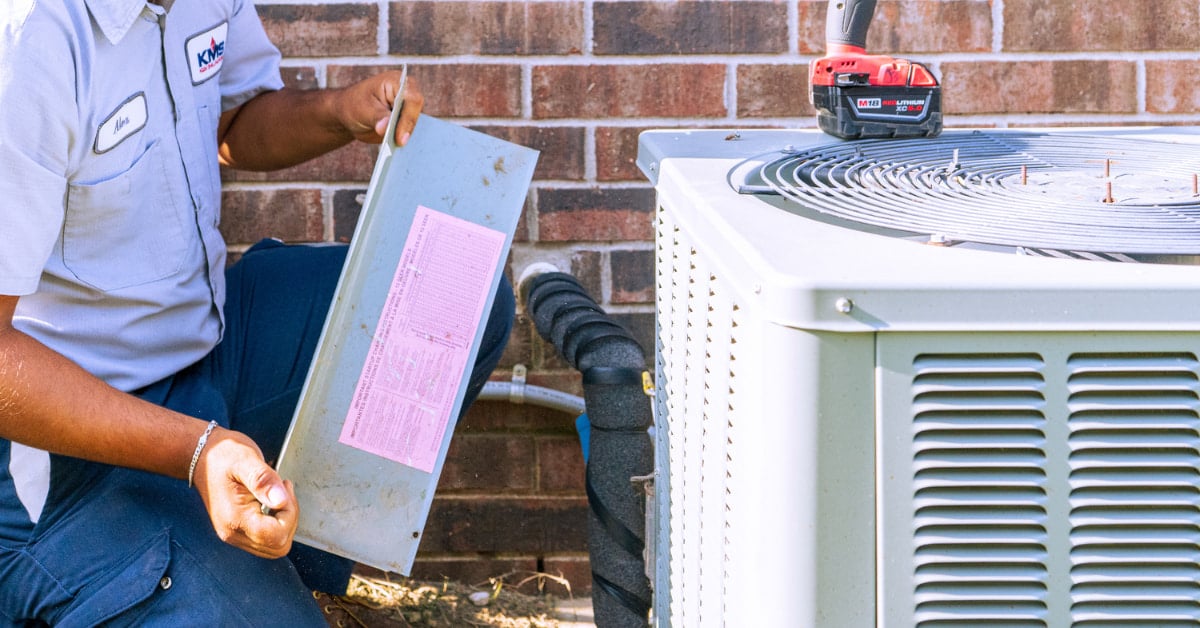
Before the summer heat hits, it’s essential to schedule a professional tune-up for your HVAC system. This will ensure that your air conditioner is operating at peak efficiency and can handle the increased load of summer cooling. During a tune-up, a technician will inspect, clean, and lubricate essential components, check refrigerant levels, clean coils, and ensure your system is working efficiently.
Tip: A professional tune-up and routine maintenance can prevent sudden breakdowns, improve energy efficiency, and extend the lifespan of your HVAC system.
2. Change Air Filters Regularly
One of the simplest and most effective ways to maximize HVAC performance is by changing the air filters regularly. When air filters become clogged with dust and debris, they restrict airflow, forcing your system to work harder to cool your home. This not only reduces efficiency but can also lead to higher energy bills.
Tip: Replace your filters every 1-3 months, or more frequently if you have pets or allergies. Clean filters improve airflow, system efficiency, and indoor air quality.
3. Keep Vents and Ducts Clear
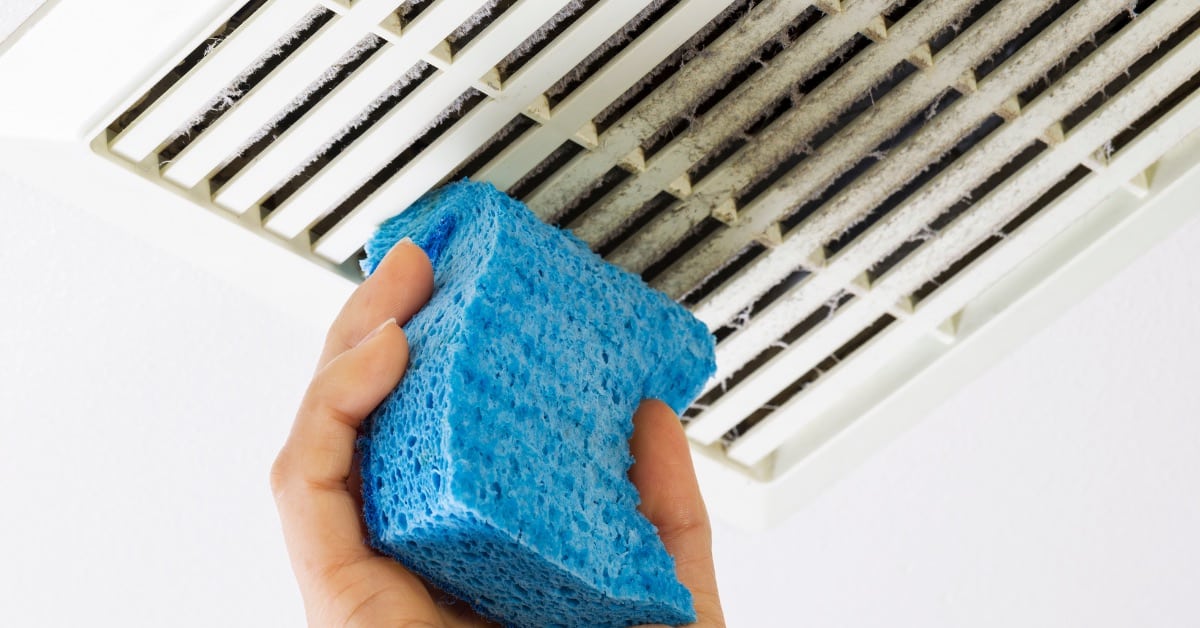
Blocked or closed vents can make your HVAC system work harder than necessary, leading to poor cooling performance and inefficiency. Make sure that all vents are open and unobstructed by furniture or curtains, allowing air to circulate freely throughout your home.
Tip: Regularly inspect and clean your vents and ducts to ensure that no dust, debris, or blockages are affecting airflow. Poor airflow puts unnecessary strain on your system.
4. Seal Leaks and Insulate Properly
A well-insulated home is crucial for maintaining cool temperatures during the summer heat. Air leaks in doors, windows, and ducts allow cool air to escape, causing your HVAC system to work harder and increasing energy consumption. Sealing these leaks and adding insulation can help maintain a consistent temperature inside your home.
Tip: Use weatherstripping around doors and windows, and seal any gaps or cracks to prevent cool air from escaping. Proper insulation ensures that the cool air stays inside, and your HVAC system doesn’t have to overwork.
5. Set Your Thermostat Wisely
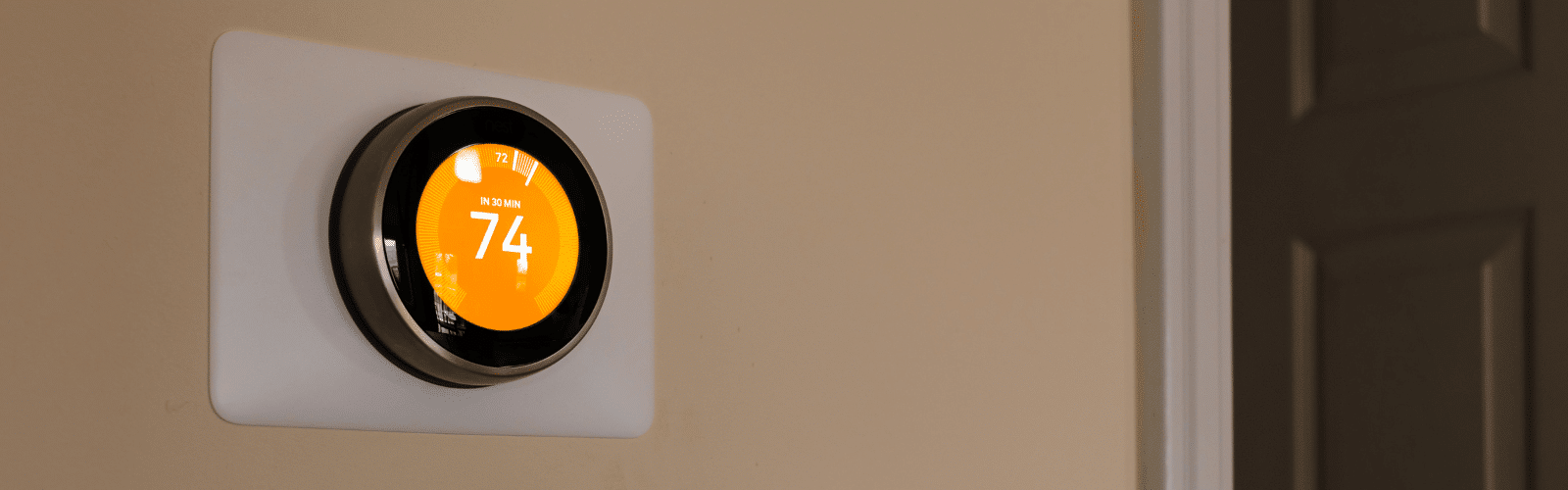
During heatwaves, it’s tempting to set the thermostat lower than usual to achieve a cooler environment, but setting it too low can cause your system to overwork and increase energy consumption. The ideal temperature for summer cooling is typically between 75°F and 78°F (24°C to 26°C). You can also adjust the thermostat for energy savings when you’re not home.
Tip: Invest in a programmable or smart thermostat that allows you to set different temperatures for different times of the day. This ensures that your system isn’t running unnecessarily when you’re away or sleeping.
6. Use Ceiling Fans to Circulate Air
Ceiling fans help circulate the cool air generated by your air conditioner, making your home feel cooler without putting extra strain on the HVAC system. They create a wind-chill effect, which allows you to set your thermostat a few degrees higher without sacrificing comfort.
Tip: Use ceiling fans in conjunction with your HVAC system to enhance cooling. Be sure to set fans to spin counterclockwise during the summer to create a breeze that cools your skin.
7. Keep the Outdoor Unit Clean and Clear
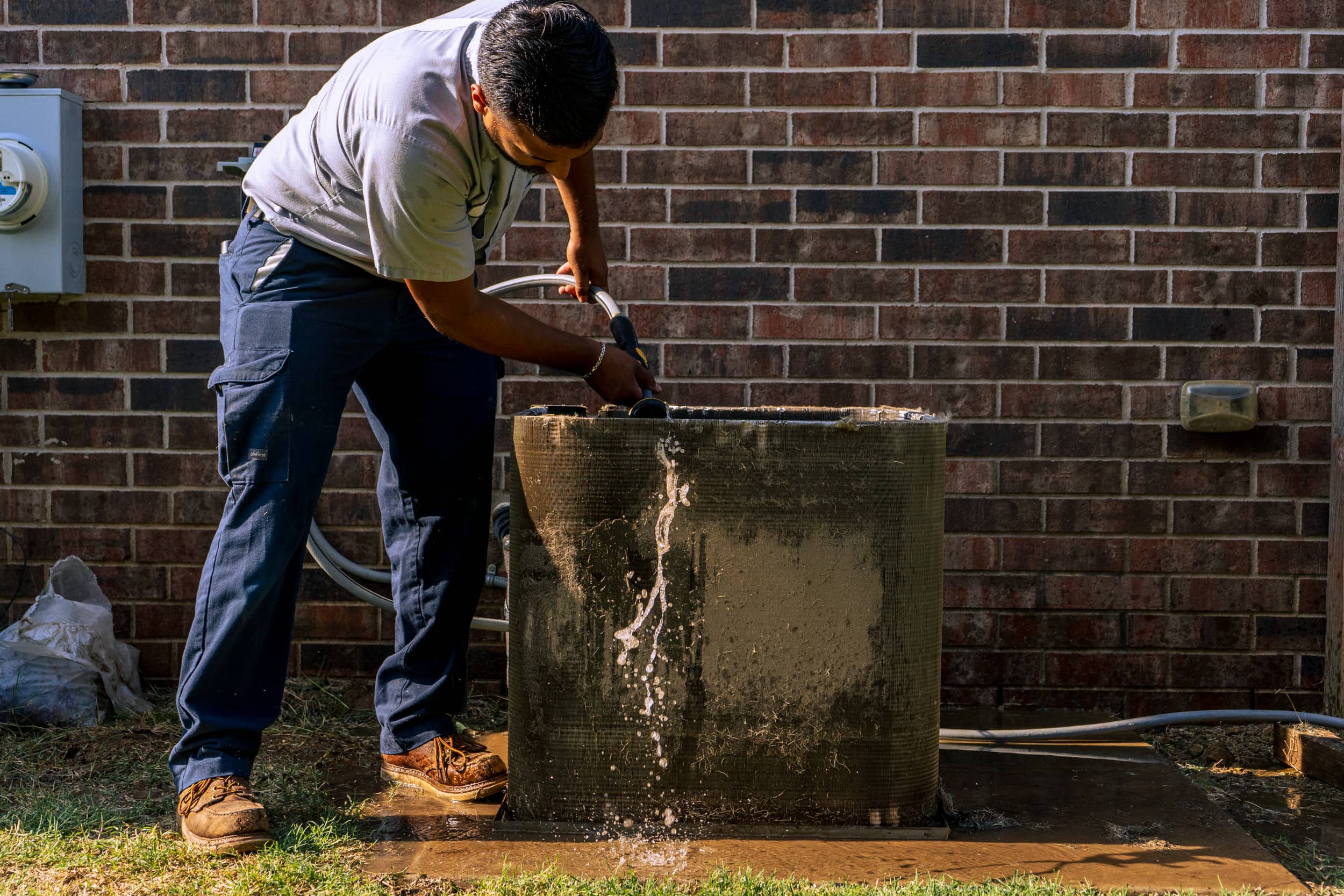
Your HVAC system’s outdoor unit (the condenser) is responsible for expelling heat from your home. If the area around the unit is clogged with dirt, leaves, or debris, the unit can’t release heat efficiently, causing it to overheat and reducing overall performance. Keeping the outdoor unit clean and free of obstructions is crucial for effective cooling.
Tip: Clean the area around your outdoor unit and remove any debris, leaves, or branches. Ensure there is at least two feet of clearance around the unit to allow for proper airflow.
8. Utilize Window Coverings and Shades
The sun’s heat streaming through windows can significantly increase the temperature inside your home, making your HVAC system work harder. Close blinds, curtains, or use shades during the day to block out sunlight and keep the interior cool. Reflective window film can also be an effective way to reduce solar heat gain.
Tip: Consider using blackout curtains or thermal shades to further reduce the amount of heat entering your home. This can help reduce the load on your air conditioner and improve comfort.
9. Monitor and Adjust Your Energy Usage
Keeping track of your energy consumption and adjusting your habits can help you get the most out of your HVAC system. Consider using energy monitoring devices that track your system’s performance and identify inefficiencies.
Tip: Use energy-saving appliances and avoid using heat-producing devices (like ovens or stoves) during the hottest part of the day to prevent adding unnecessary heat into your home.
10. Upgrade to a More Efficient System (If Necessary)
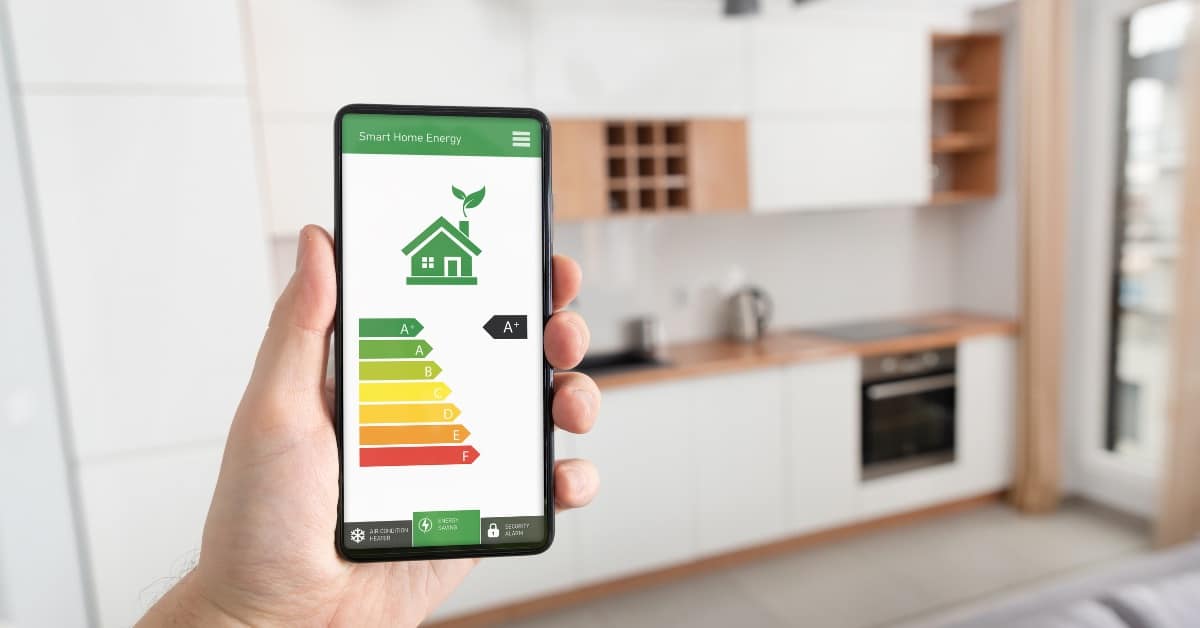
If your HVAC system is old and inefficient, it may be time to consider upgrading to a newer, more energy-efficient model. Modern air conditioning systems are designed to be more environmentally friendly and can save you money on your utility bills.
Tip: If your system is over 10-15 years old, consider investing in a high-efficiency model that can handle the heat more effectively and save you money in the long run.
Final Thoughts
Maximizing your HVAC system’s performance during summer heatwaves is essential for keeping your home comfortable and energy-efficient. By following these tips, you can prevent your system from overworking, reduce energy consumption, and save money on your cooling bills.
If you need help optimizing your HVAC system or scheduling maintenance, contact KMS Heating & Cooling today. We’re here to help your home stay cool, comfortable, and energy-efficient all summer long.