Indoor air quality (IAQ) is often overlooked, but it plays a crucial role in your overall health and comfort. The air inside your home can be up to five times more polluted than the air outside, according to the Environmental Protection Agency (EPA).
Poor IAQ can lead to various health issues, including allergies, asthma, respiratory infections, and even more serious conditions like heart disease. This is why improving your home’s indoor air quality should be a priority for homeowners, particularly those with respiratory conditions or young children.
Fortunately, there are simple and effective ways to improve the air quality in your home.
We’ll cover five practical tips that will help you breathe cleaner, healthier air indoors, and create a more comfortable living environment.
1. Regularly Replace Air Filters
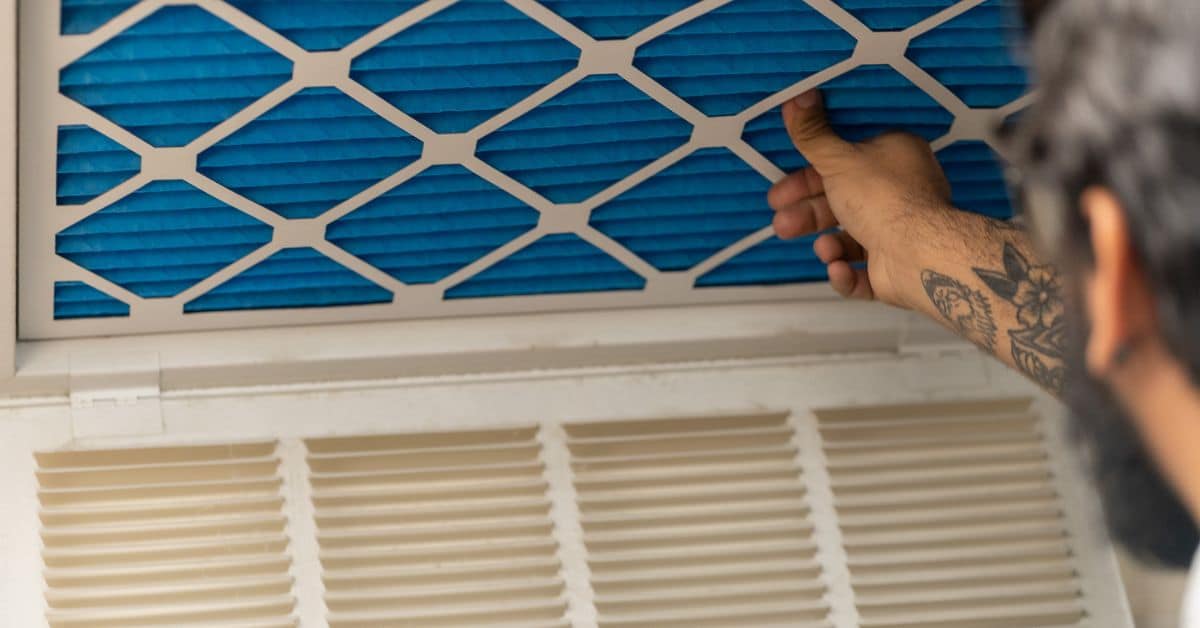
One of the easiest and most effective ways to improve indoor air quality is by replacing your HVAC system’s air filters regularly. Air filters are responsible for trapping dust, dirt, allergens, and other particles that circulate through your home’s air system. Over time, filters can become clogged, reducing their ability to trap contaminants and causing them to be recirculated into your home’s air.
How to do it:
Change filters every 1-3 months, depending on the type of filter and your home’s air quality.
Use high-quality filters designed to capture smaller particles, such as HEPA filters.
If you have pets or live in an area with high pollen levels, replace filters more frequently to maintain air quality.
Why it helps:
When your air filters are clean, your HVAC system works more efficiently, and the air inside your home is cleaner. This is especially important for households with allergy sufferers or people with respiratory conditions. Regular filter replacement helps remove dust, pollen, pet dander, and other irritants, significantly improving indoor air quality.
2. Control Humidity Levels
Excess moisture in the air can create a breeding ground for mold, bacteria, and dust mites, all of which can negatively affect your indoor air quality. On the other hand, air that’s too dry can irritate your respiratory system and dry out your skin. Maintaining the right humidity levels, typically between 30-50%, is key to promoting healthy indoor air.
How to do it:
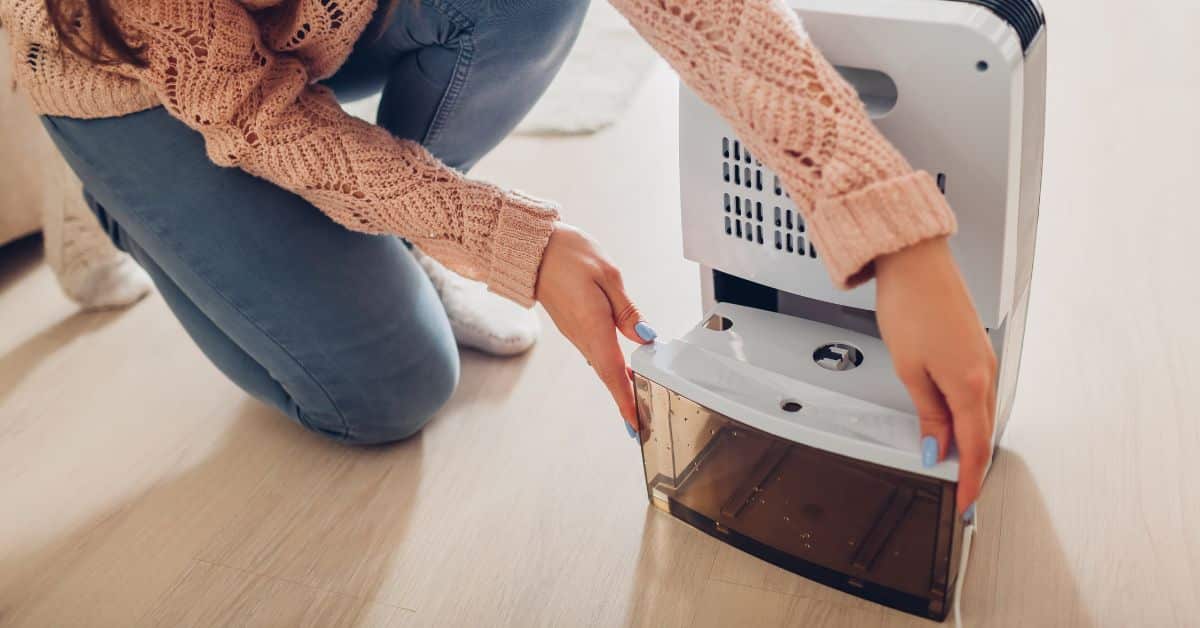
Use a dehumidifier during the summer to reduce moisture in the air.
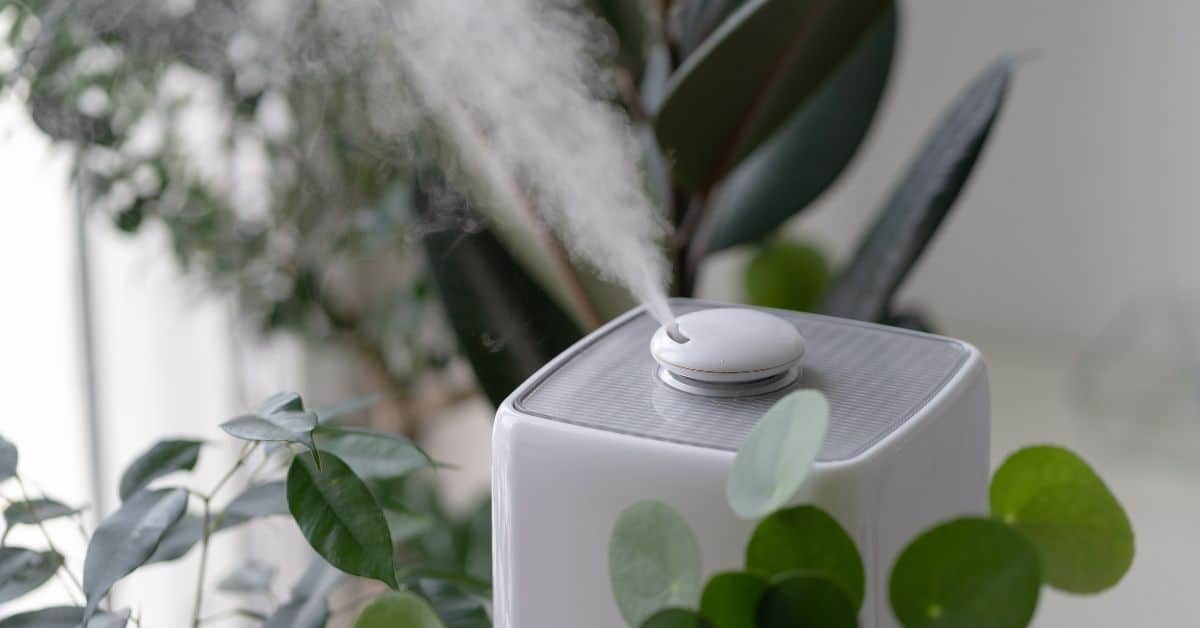
Use a humidifier during winter to prevent dry air.
Install a whole-home dehumidifier that works with your HVAC system for more consistent humidity control.
Why it helps:
Proper humidity control prevents mold growth and minimizes the spread of dust mites and other allergens. It also helps alleviate dry throat, sinus problems, and dry skin caused by overly dry air. Keeping humidity levels balanced promotes a healthier living environment for everyone in your home.
3. Ventilate Your Home Properly
Good ventilation is essential for maintaining clean indoor air. Without proper ventilation, contaminants can build up inside your home, leading to poor air quality. Opening windows and using exhaust fans can help remove stale air and bring in fresh air. However, many modern homes are built to be airtight to improve energy efficiency, which can trap indoor air pollutants.
How to do it:
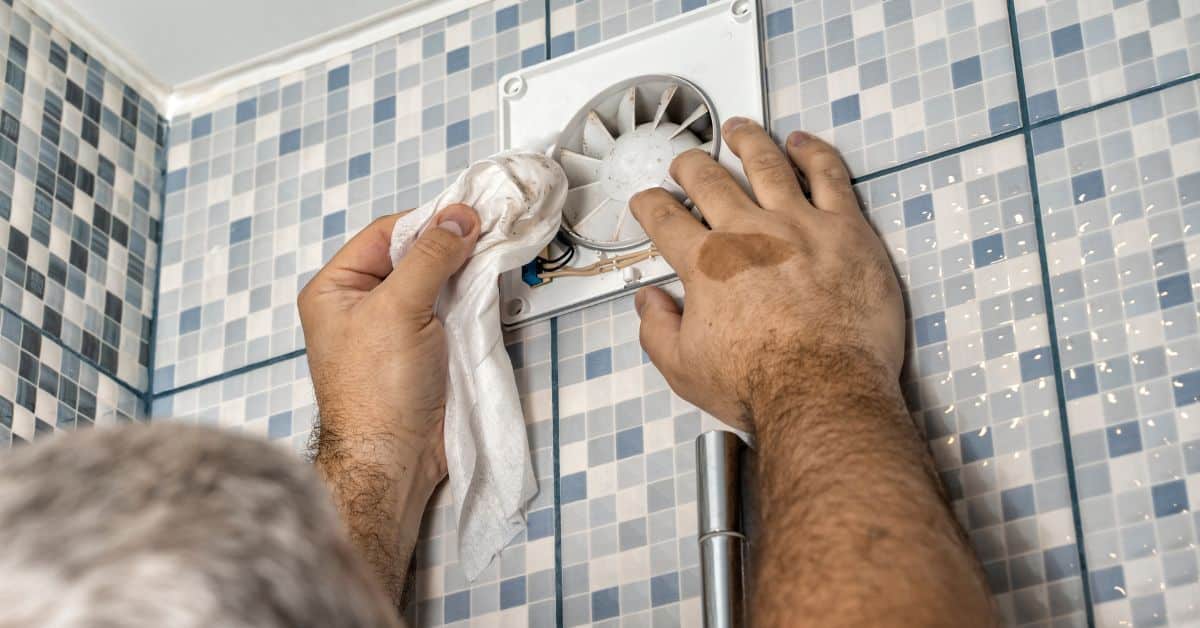
Use exhaust fans in kitchens and bathrooms to expel moisture, odors, and pollutants.
Open windows when weather permits to allow fresh air in and let stale air out.
Consider installing a whole-house ventilation system or an HRV (Heat Recovery Ventilator) that brings in fresh air while conserving energy.
Why it helps:
Proper ventilation dilutes indoor pollutants and ensures that your home has an adequate supply of fresh air. By improving airflow, you can reduce the concentration of airborne contaminants, such as carbon dioxide, volatile organic compounds (VOCs), and chemicals from cleaning products or furniture.
4. Add Air Purifiers to Your Home
Air purifiers are an excellent addition to any home, especially if you’re dealing with poor indoor air quality due to allergens, pollution, or pet dander. Air purifiers with HEPA filters can capture fine particles in the air and significantly improve IAQ.
How to do it:
Choose an air purifier with a HEPA filter, which can remove 99.97% of airborne particles, including dust, pollen, and smoke.
Place air purifiers in areas where you spend the most time, such as the living room or bedroom.
For large homes, consider using a whole-house air purification system that integrates with your HVAC system.
Why it helps:
Air purifiers are especially beneficial for those with allergies, asthma, or sensitivities to airborne pollutants. They help capture microscopic particles and pollutants that can irritate your respiratory system, ensuring you breathe cleaner, healthier air. In homes with pets, an air purifier can also reduce pet dander, providing relief for allergy sufferers.
5. Limit the Use of Harmful Chemicals
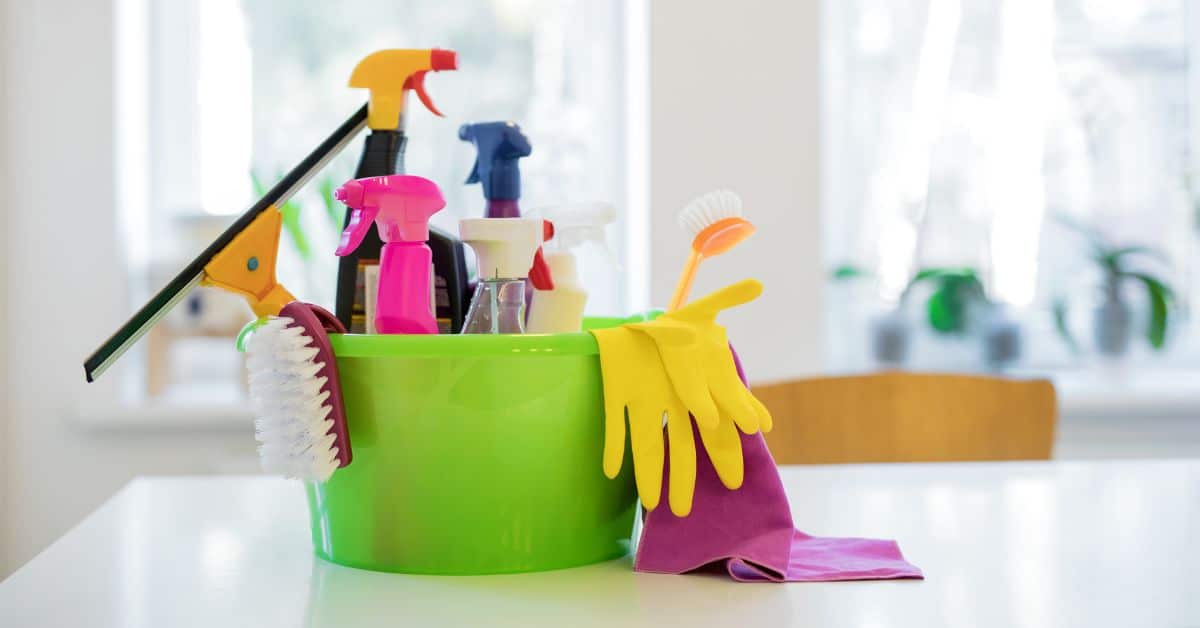
Many household cleaning products, paints, and air fresheners contain volatile organic compounds (VOCs), which can negatively impact indoor air quality. Long-term exposure to VOCs can cause headaches, dizziness, and respiratory issues. Reducing the use of chemical-laden products can significantly improve IAQ.
How to do it:
Choose cleaning products that are labeled “non-toxic” or “VOC-free.”
Use natural alternatives like vinegar, baking soda, and lemon for cleaning purposes.
Opt for air fresheners and candles made from natural ingredients like beeswax or soy wax, rather than those containing synthetic fragrances and chemicals.
Why it helps:
By reducing the number of chemicals released into the air, you’ll be able to improve the air quality and reduce the risk of chemical-related health issues. Using natural cleaning products ensures that your home stays clean and fresh without compromising indoor air quality.
FAQs About Improving Indoor Air Quality
How often should I replace my air filters?
It’s recommended to replace your air filters every 1-3 months, depending on usage and air quality. Homes with pets or allergy sufferers may require more frequent replacement.
What’s the best humidity level for indoor air?
The ideal humidity level is between 30-50%. This range prevents mold growth and dust mites, while also maintaining comfortable indoor air.
Can air purifiers help with allergies?
Yes, air purifiers with HEPA filters can capture allergens such as pollen, pet dander, and dust, providing significant relief for allergy sufferers.
How can I reduce VOCs in my home?
Reduce VOCs by using non-toxic cleaning products, choosing low-VOC paints, and using natural alternatives like vinegar and baking soda for cleaning.
Final Thoughts
Improving indoor air quality doesn’t have to be complicated. By following these simple tips—such as changing air filters regularly, controlling humidity, using air purifiers, and reducing harmful chemicals—you can create a healthier and more comfortable living space.
If you need help improving your home’s indoor air quality, contact KMS Heating & Cooling for professional guidance and solutions. From HVAC maintenance to air purifiers, we can help you achieve cleaner, fresher air in your home.