Prepping Your Heating System for Winter
As winter approaches, your heating system becomes one of the most crucial components of your home. Ensuring that your system is working efficiently can make a big difference in both comfort and energy bills. Regular maintenance is essential for preventing unexpected breakdowns and ensuring optimal performance throughout the coldest months.
We’ll provide you with a comprehensive heating system maintenance checklist to help you prepare for winter and keep your home warm and comfortable.
Why Heating System Maintenance is Important
Winter puts additional strain on your heating system, as it runs for longer periods to keep your home comfortable. Without proper maintenance, your system may struggle to perform, resulting in higher energy bills, potential breakdowns, and a less comfortable home environment.
By staying on top of heating system maintenance, you can:
Improve Energy Efficiency: Regular maintenance ensures your system operates at peak efficiency, saving you money on energy bills.
Extend the Lifespan of Your System: Proper care can prolong the life of your heating unit, delaying costly replacements.
Prevent Breakdowns: Routine inspections catch minor issues before they become costly problems or emergency repairs.
Improve Air Quality: A well-maintained system filters dust, dirt, and allergens, improving indoor air quality during the colder months.
Heating System Maintenance Checklist for Winter
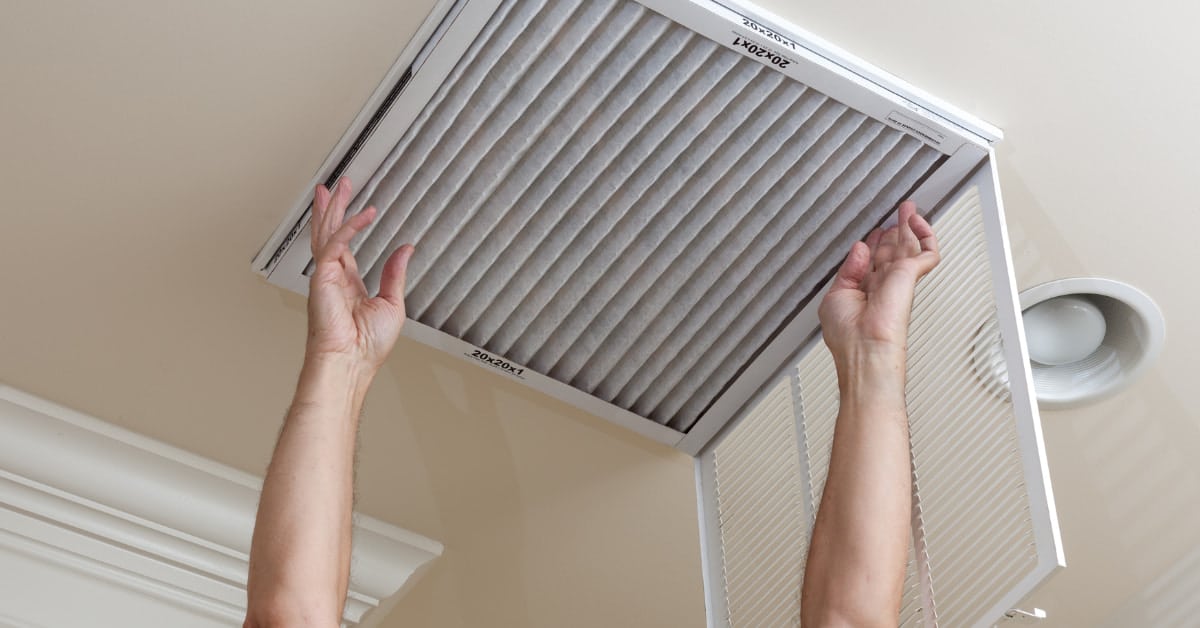
1. Change or Clean the Air Filters
Air filters are essential for trapping dust, dirt, and allergens. A clogged filter restricts airflow, making your system work harder and reducing its efficiency.
How to do it: Turn off your heating system, remove the filter, and either replace it with a new one or clean it if it’s reusable. Make sure the new filter matches the correct size and type.
Why it helps: Clean filters ensure proper airflow, reduce system strain, and improve air quality.
Tip: Replace filters every 1-3 months or more often if your home has pets or a lot of dust.
2. Inspect and Clean the Ductwork
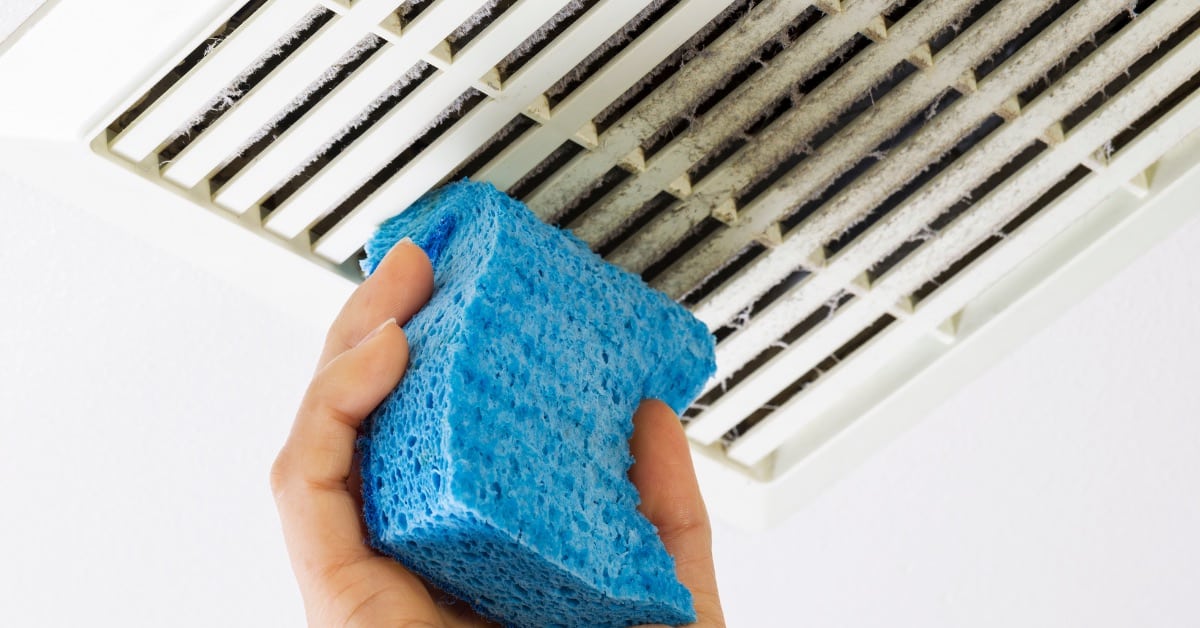
Dirty ducts reduce airflow and efficiency. Over time, dust, mold, and debris accumulate in your ducts, potentially spreading allergens throughout your home.
How to do it: Use a damp sponge or a vacuum with a hose attachment to remove visible dust and debris from the vent openings.
Why it helps: Clean ducts ensure your heating system operates efficiently and prevent allergens from circulating in your home.
Tip: Schedule a professional duct cleaning every 3-5 years to ensure optimal air quality and efficiency.
3. Check the Thermostat
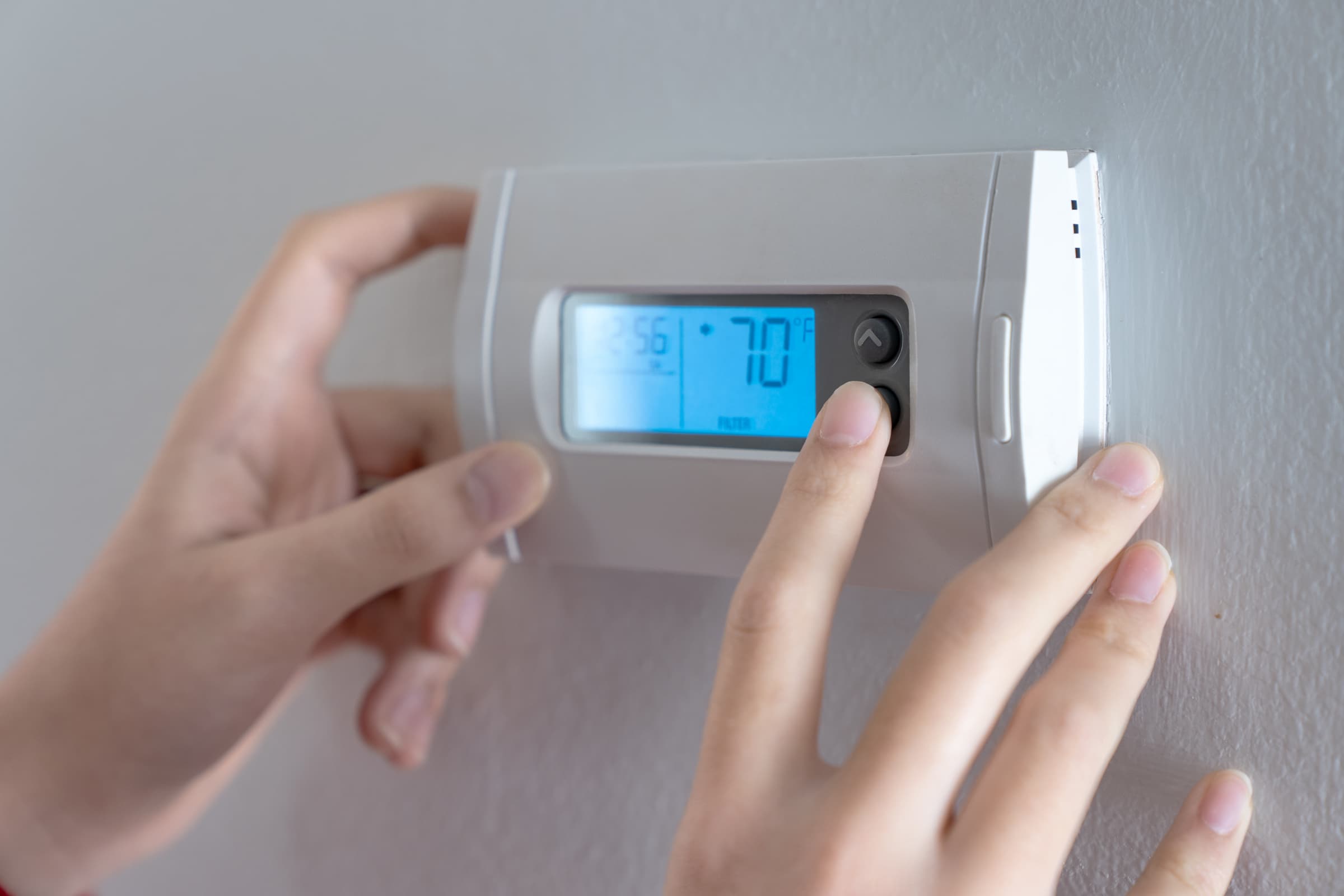
Your thermostat regulates your heating system. If it’s malfunctioning, your system may not run at the right times or temperatures, causing discomfort and wasting energy.
How to do it: Adjust the thermostat to different temperatures and verify that your system responds appropriately. Clean the thermostat’s sensors gently with a soft cloth to remove dust or dirt.
Why it helps: A properly functioning thermostat helps the system run efficiently, maintaining consistent comfort and preventing unnecessary energy use.
Tip: Upgrade to a programmable or smart thermostat for better energy management and cost savings.
4. Inspect the Heating Unit for Leaks
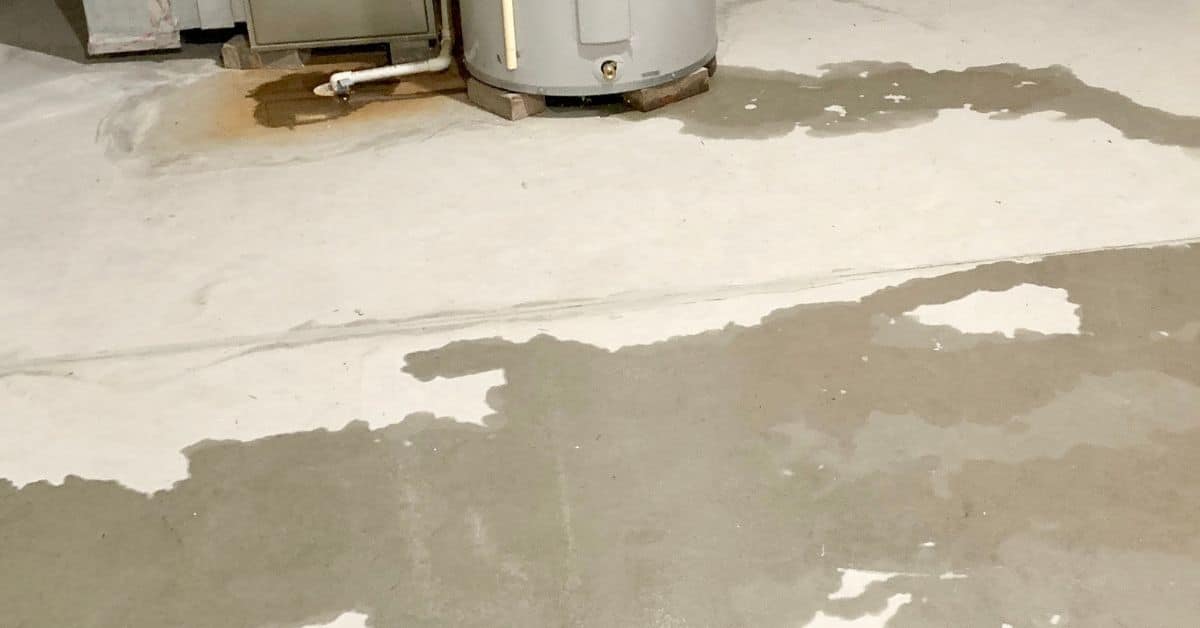
Leaks, whether water from a boiler or gas from a furnace, can reduce system efficiency or create dangerous conditions. Identifying and addressing leaks early is vital for safety and system longevity.
How to do it: Inspect the area around your heating unit for signs of leaks. Check for any pooling water or gas odors. If you suspect a gas leak, turn off your system immediately and contact a professional HVAC technician. If you’re in the Tulsa metro area, call KMS Heating & Cooling at (918) 834-7000.
Why it helps: Early detection of leaks prevents further damage, ensures efficient operation, and reduces safety risks.
Tip: Have a professional check your system’s seals and connections if you suspect a leak.
5. Examine the Insulation
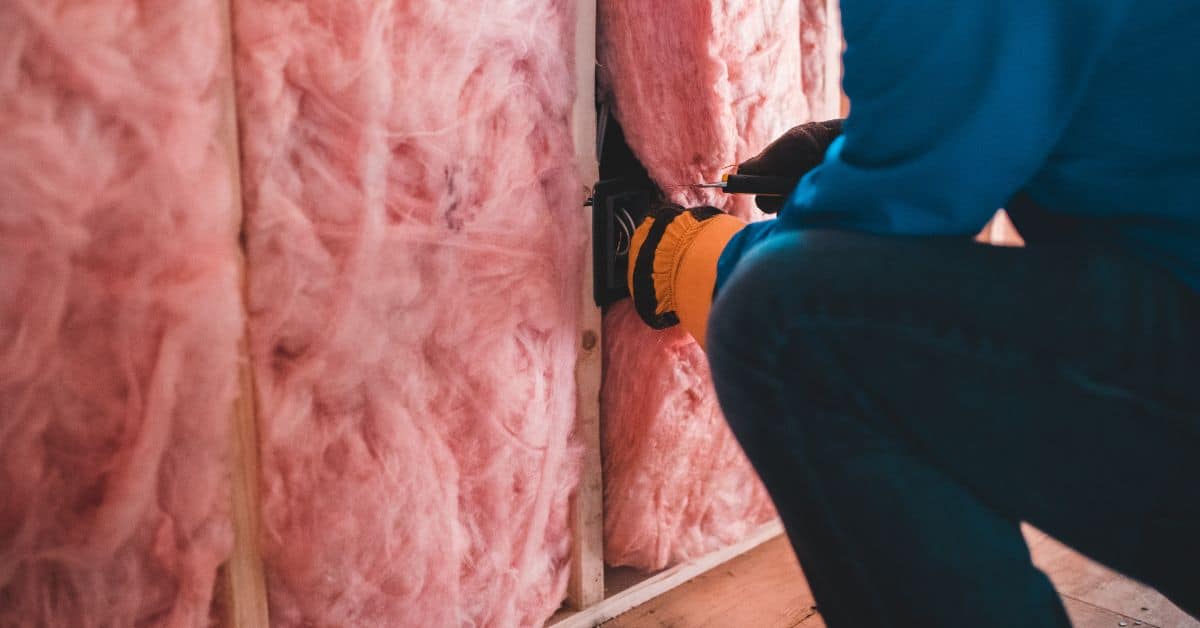
Proper insulation helps retain heat, making it easier for your heating system to maintain a comfortable temperature. If insulation is missing or degraded, your system will have to work harder.
How to do it: Inspect areas like the attic, basement, and crawl spaces for proper insulation. Add or replace insulation where necessary to improve energy efficiency.
Why it helps: Well-insulated homes reduce the workload on your heating system, saving energy and improving comfort.
Tip: Seal any gaps or cracks around doors, windows, and ducts to prevent warm air from escaping.
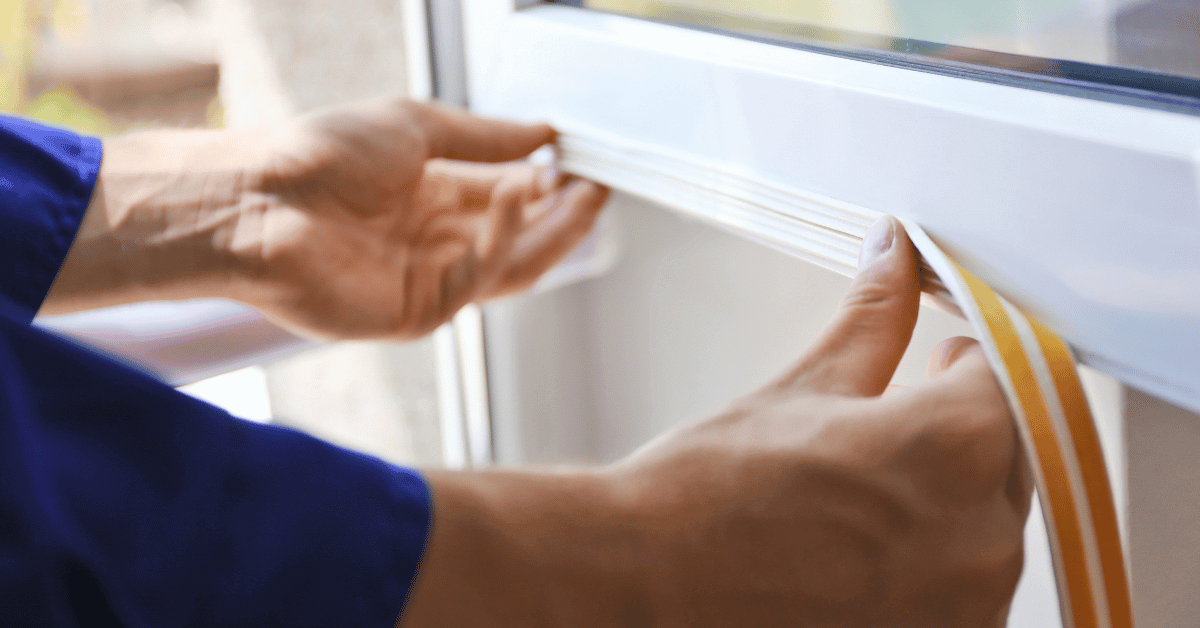
6. Seal the Doors and Windows
Air leaks around doors and windows are common culprits of heat loss. Sealing these leaks is a quick, cost-effective way to reduce your heating system’s workload and prevent heat loss.
How to do it: Inspect your doors and windows for any gaps or cracks. Apply weatherstripping or caulk to seal these gaps and prevent warm air from escaping.
Why it helps: Sealing leaks improves efficiency, maintains a comfortable indoor temperature, and saves money on energy bills.
Tip: Consider upgrading to energy-efficient windows if you experience significant heat loss during winter.
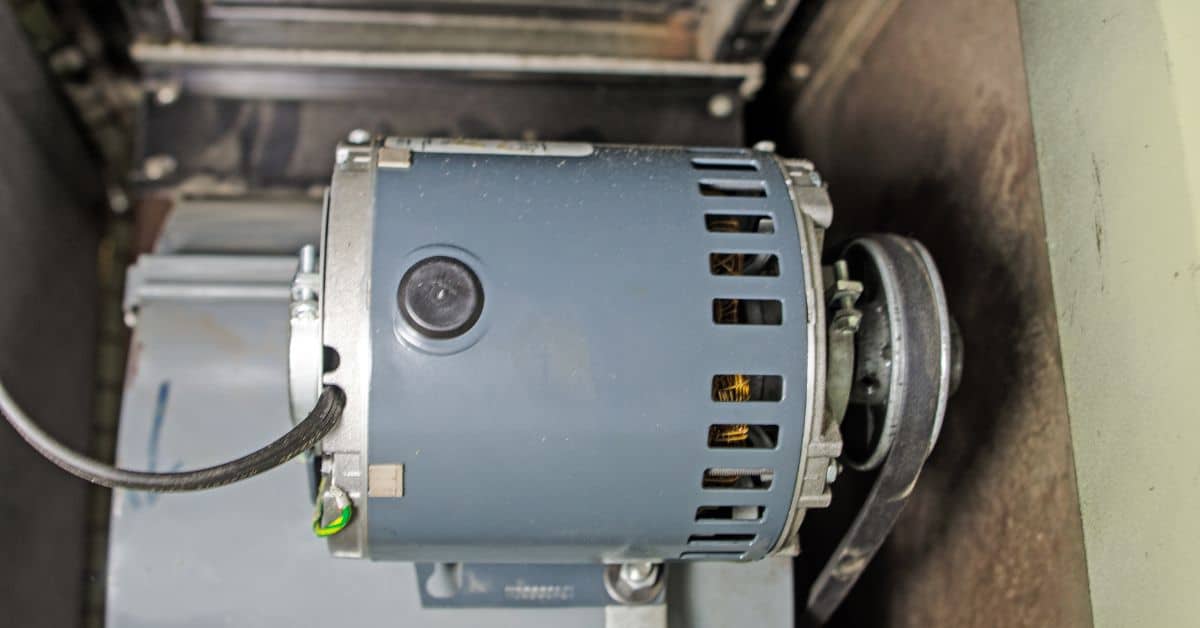
7. Check and Clean the Blower
The blower fan in your furnace is responsible for distributing warm air throughout your home. A dirty or clogged blower can lead to poor airflow and inefficient heating.
How to do it: Turn off your heating system, then inspect and clean the blower fan. You can use a vacuum with a soft brush attachment to remove dust and debris.
Why it helps: A clean blower provides optimal airflow, reduces strain on the system, and improves overall heating performance.
Tip: Make sure to clean the blower during your routine maintenance to prevent buildup and improve efficiency.
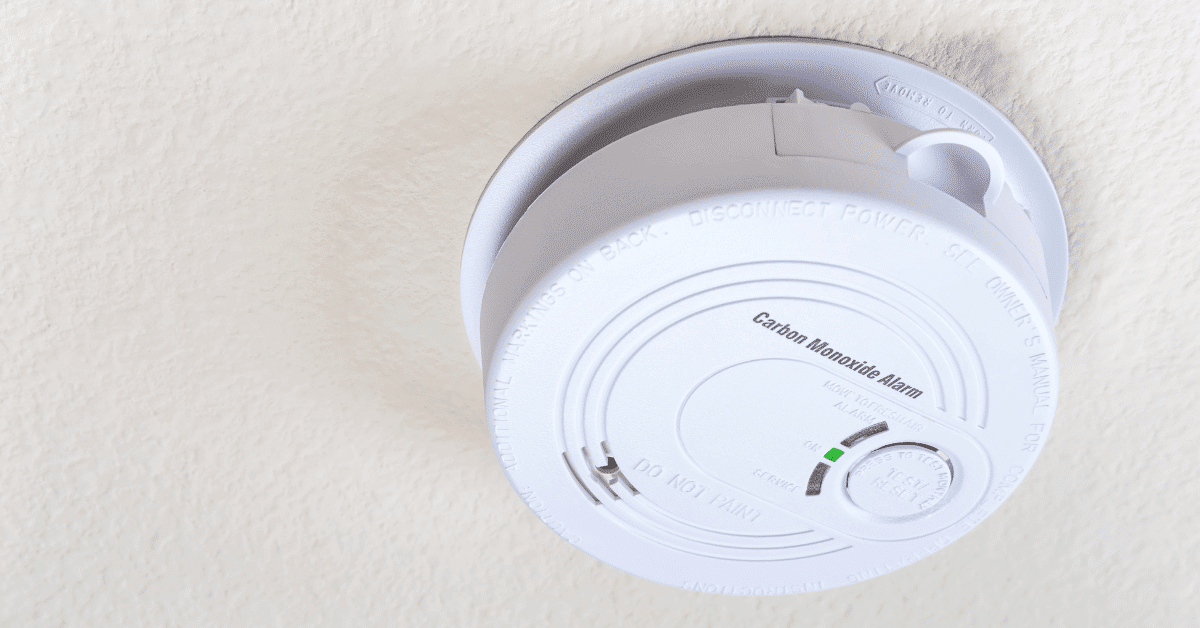
8. Test Safety Features
Safety features like the carbon monoxide detector and emergency shutoff are essential for preventing potential hazards. Regularly testing these features ensures they are working properly.
How to do it: Test the carbon monoxide detector by pressing the test button. Replace the batteries if necessary. If you have a gas furnace, check the venting system for any blockages.
Why it helps: Ensuring that safety features are working properly prevents carbon monoxide leaks and other dangerous situations.
Tip: Schedule a professional inspection to ensure the safety features of your system are up to date and functioning correctly.
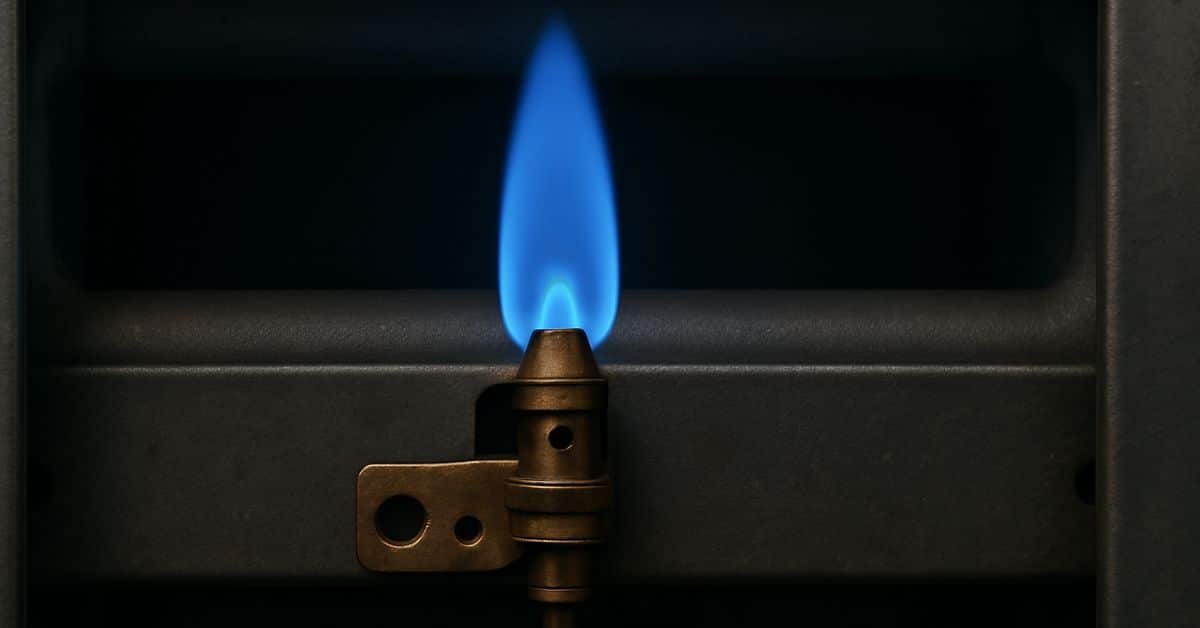
9. Check the Pilot Light and Burner Assembly (for Gas Systems)
For gas-powered systems, the pilot light and burner assembly are essential for proper combustion and heating. A malfunction in these components can cause inefficiency or dangerous conditions.
How to do it: Check the pilot light to ensure it’s burning with a steady blue flame. If the flame is yellow or the pilot light is out, consult a professional. Inspect the burner assembly for dirt or corrosion.
Why it helps: Proper burner function ensures efficient heating and minimizes safety risks.
Tip: If you’re unsure how to handle gas components, always call a professional to perform these checks.
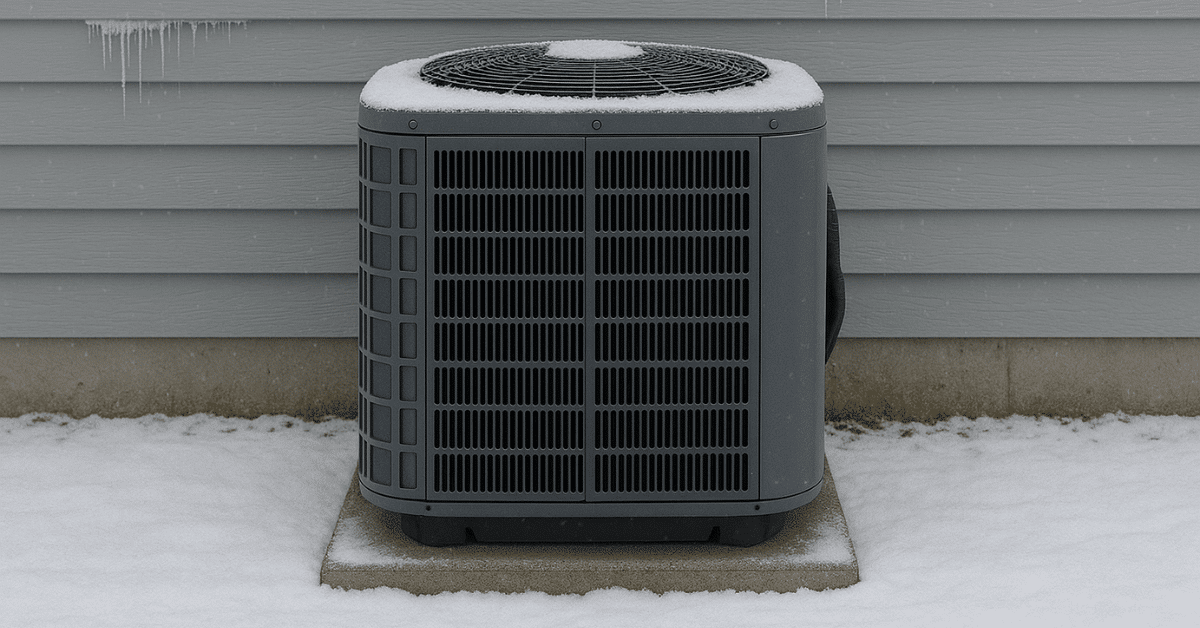
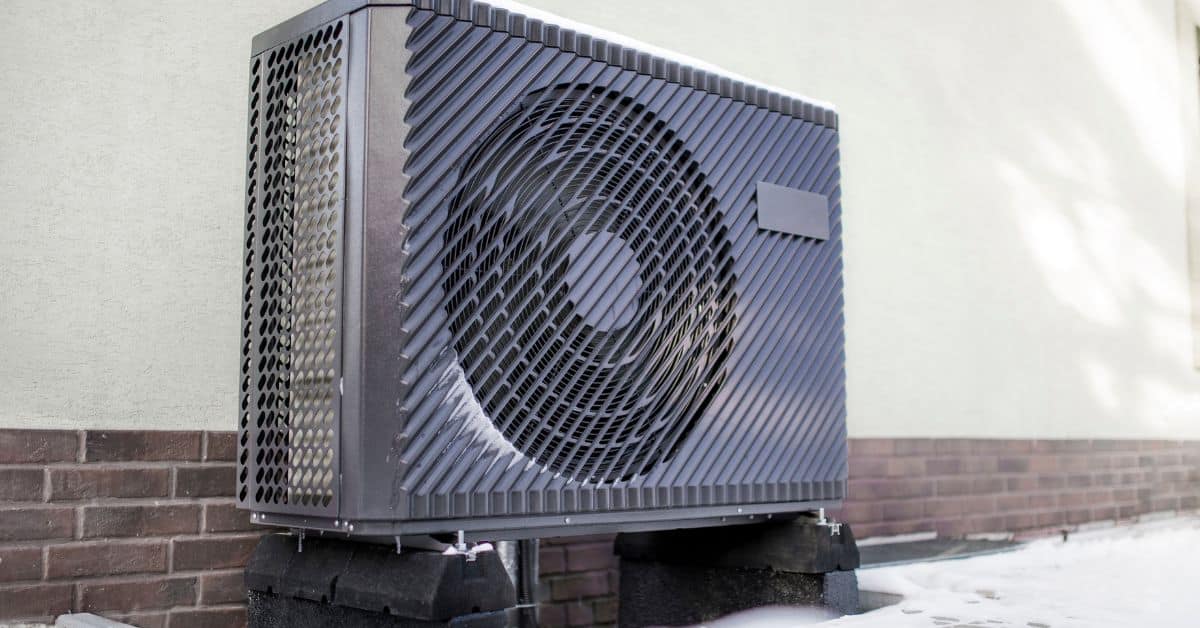
10. Clean the Outdoor Unit (for Heat Pumps)
If you use a heat pump for heating, it’s important to clean the outdoor unit regularly. Dirt and debris can obstruct airflow and reduce the unit’s ability to extract heat efficiently from the outside air.
How to do it: Turn off the heat pump and remove any leaves, dirt, or branches around the outdoor unit. Clean the coil fins gently using a fin comb.
Why it helps: A clean outdoor unit ensures that your heat pump operates efficiently, saving energy and providing consistent heating during the winter months.
Tip: Check the outdoor unit regularly to ensure it’s clear of debris and has adequate airflow.
Common FAQs About Heating System Maintenance
How often should I schedule HVAC maintenance for my heating system?
It’s recommended to schedule professional HVAC maintenance for your heating system at least twice a year, ideally before the winter season starts and again in the spring. This helps make sure your system is ready for colder temperatures and operates at peak efficiency year-round.
What are the signs that my heating system needs maintenance?
Common signs include inconsistent heating, unusual noises, high energy bills, or frequent cycling. If your heating system isn’t keeping your home comfortable or is showing any of these issues, it may be time for maintenance.
Can regular heating system maintenance save me money?
Regular maintenance improves energy efficiency, reduces the likelihood of expensive breakdowns, and extends the lifespan of your HVAC system. This ultimately leads to lower energy bills and fewer costly repairs.
Final Thoughts
By following this heating system maintenance checklist, you can prepare your HVAC system for the colder months, helping to maintain comfort, improve energy efficiency, and avoid unexpected repairs.
While some tasks are safe for DIY maintenance, others are best handled by a professional. If you need assistance with your heating system, contact KMS Heating & Cooling for expert maintenance and service.